Open-air painting
The plein-air watercolour
Some works find their right form outdoors, in the light and movement of the place.
Open-air painting
To observe is first to stand as close as possible to the place.
The foreshore, the tide, the light, the wind and the movements of water form a sensitive memory.
Notebooks, plein-air watercolours, impression watercolours and studio work belong to the same process: to grasp, retain and transform.
Sometimes the watercolour finds its right form outdoors; sometimes it continues in the studio; sometimes notebooks and studies feed a broader, immersive work completed on paper.
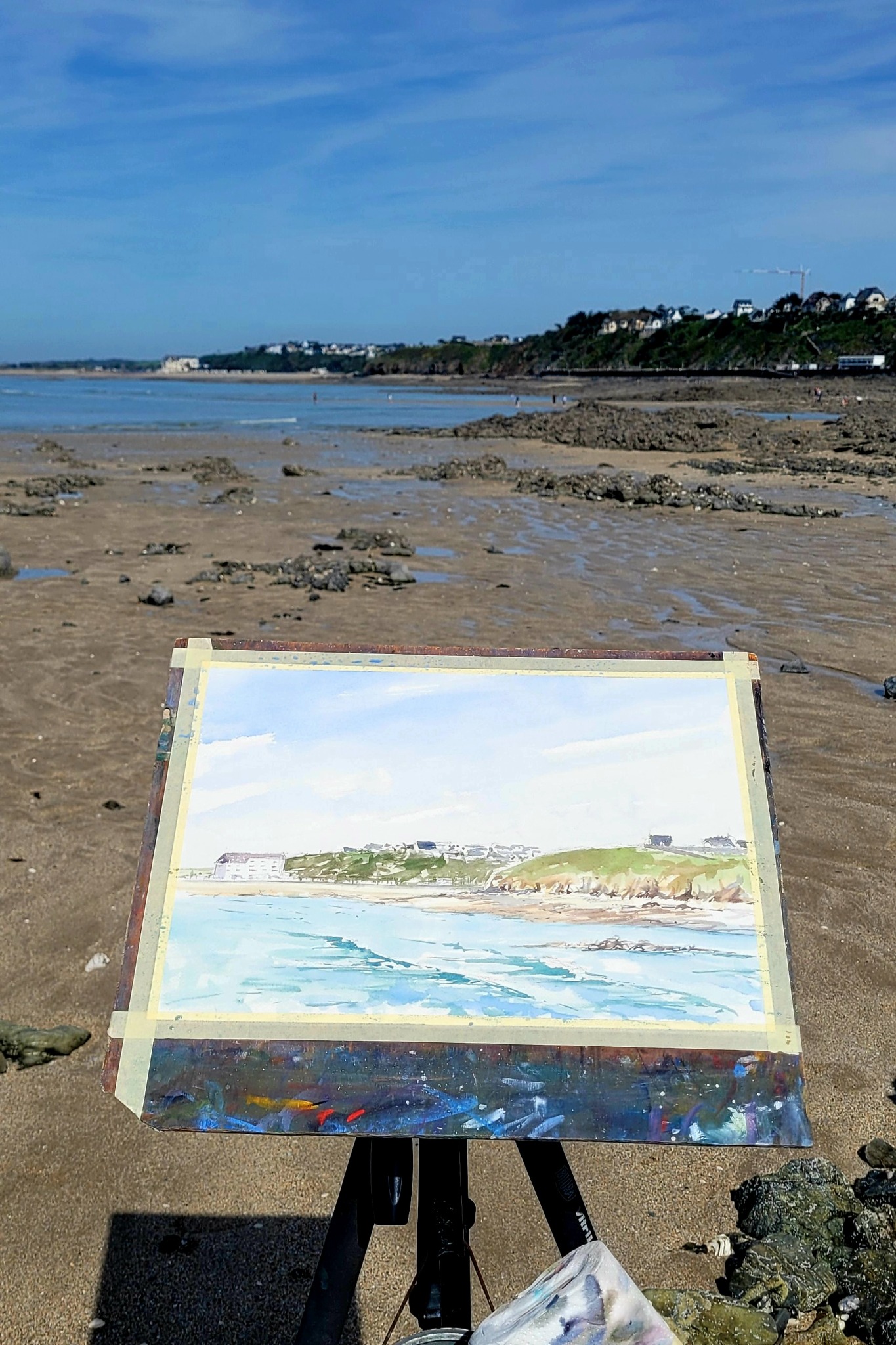
The gesture is born from the place: water on paper responds to light, lines and the movements of the foreshore.
The shore gives its rhythm: tide, foam, mist, the slow displacement of forms.
The work moves through direct observation, plein-air watercolour, notebook and studio. It is not a mechanical return outdoors: it builds a continuity in which the work finds its right form, sometimes outside, often in the studio.
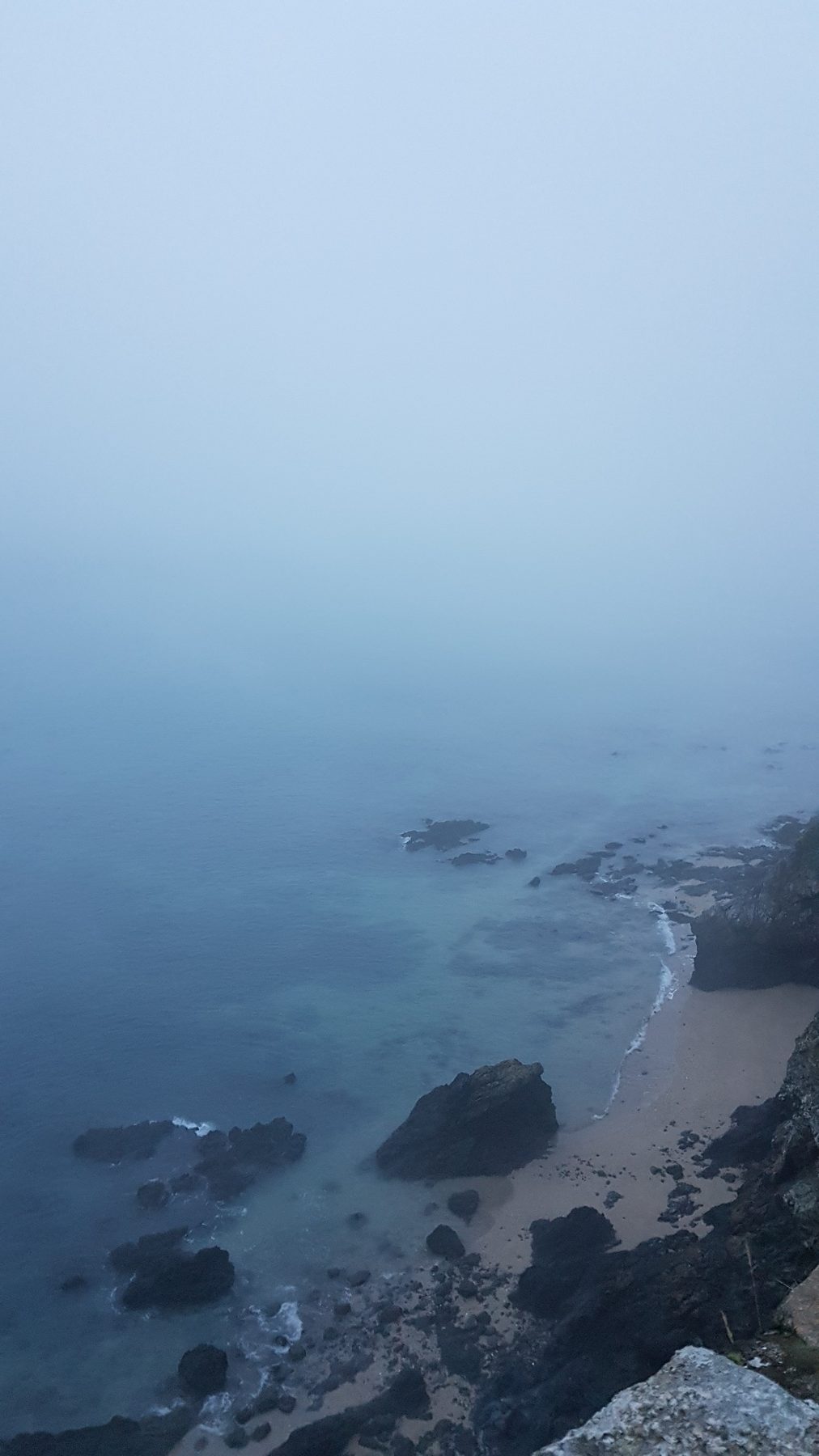
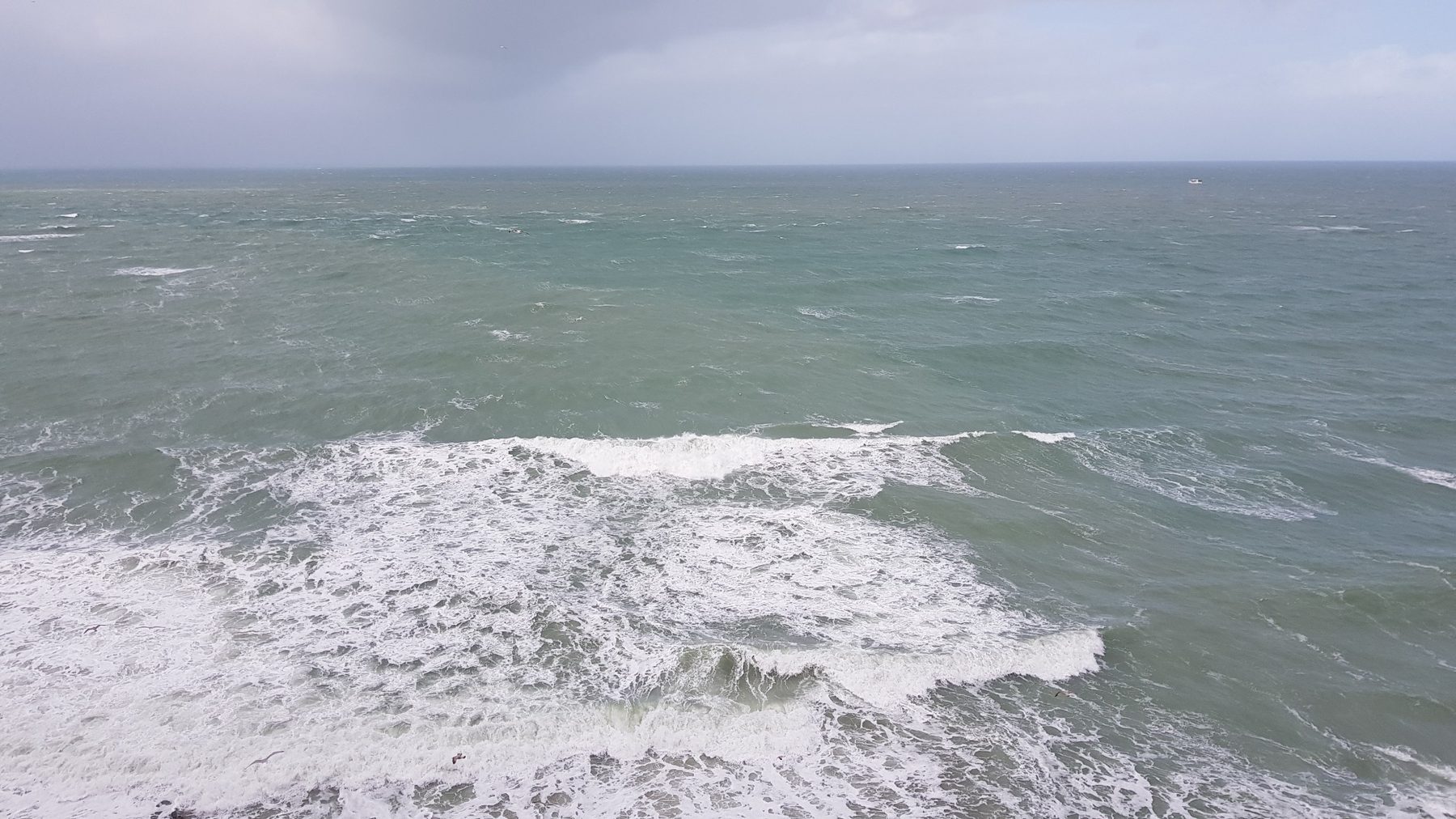
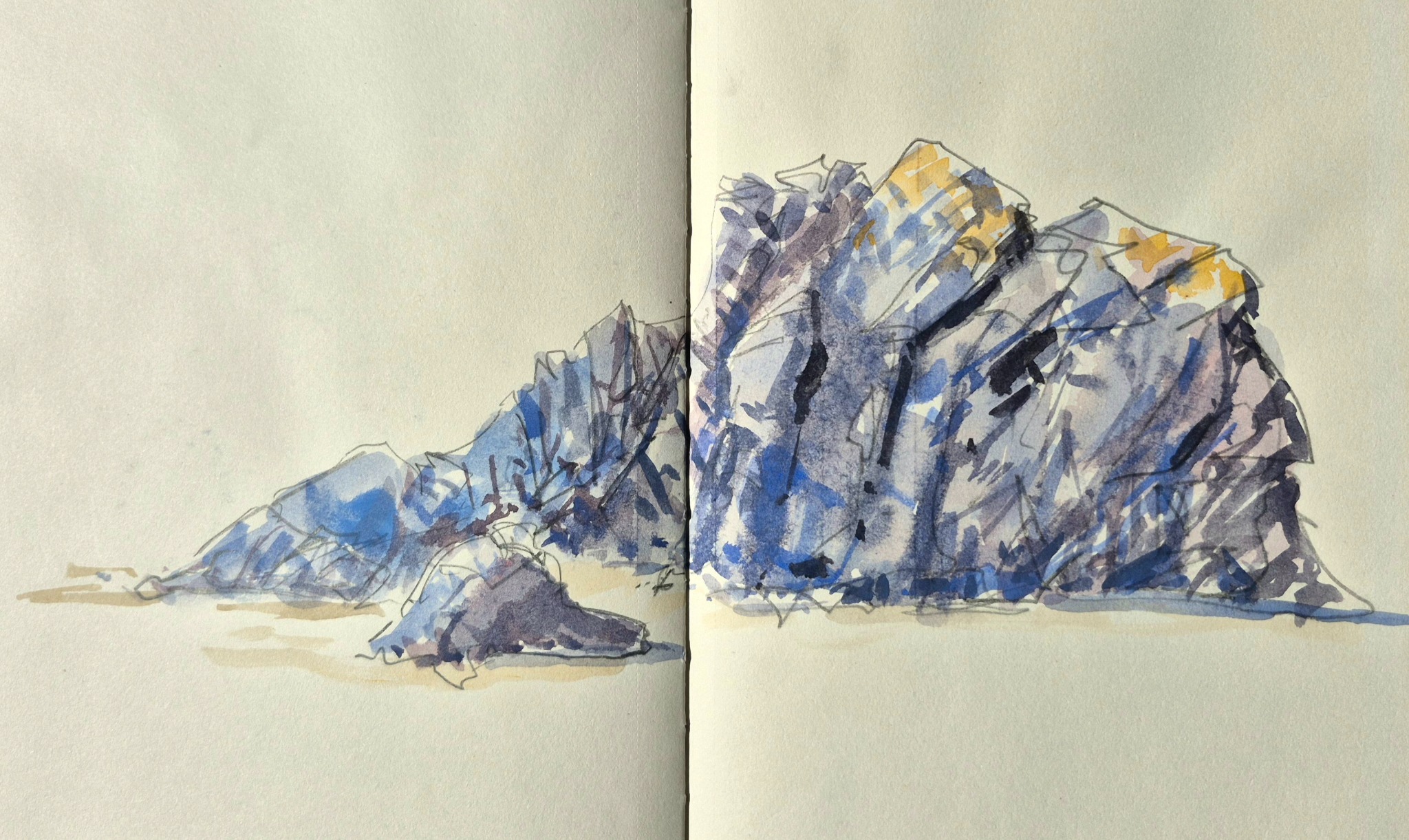
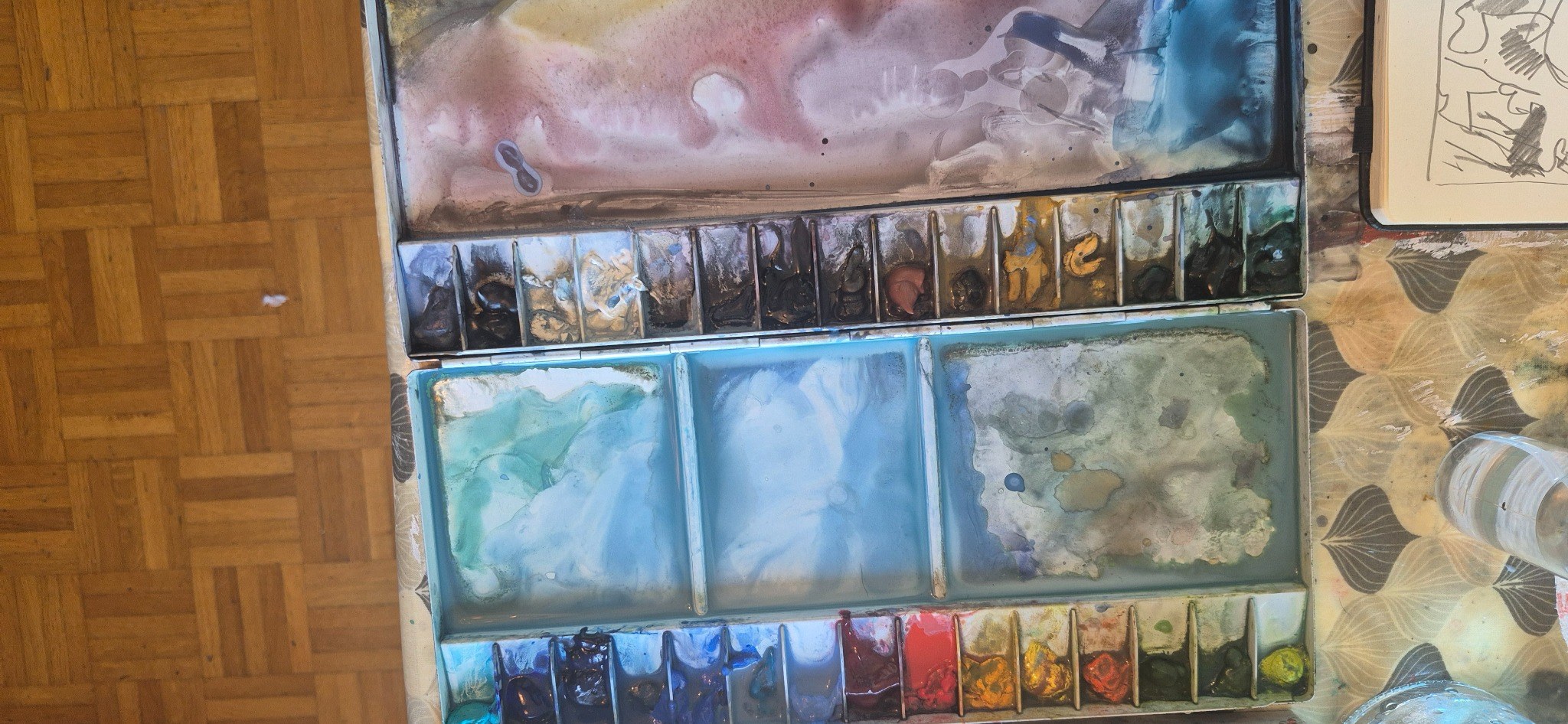
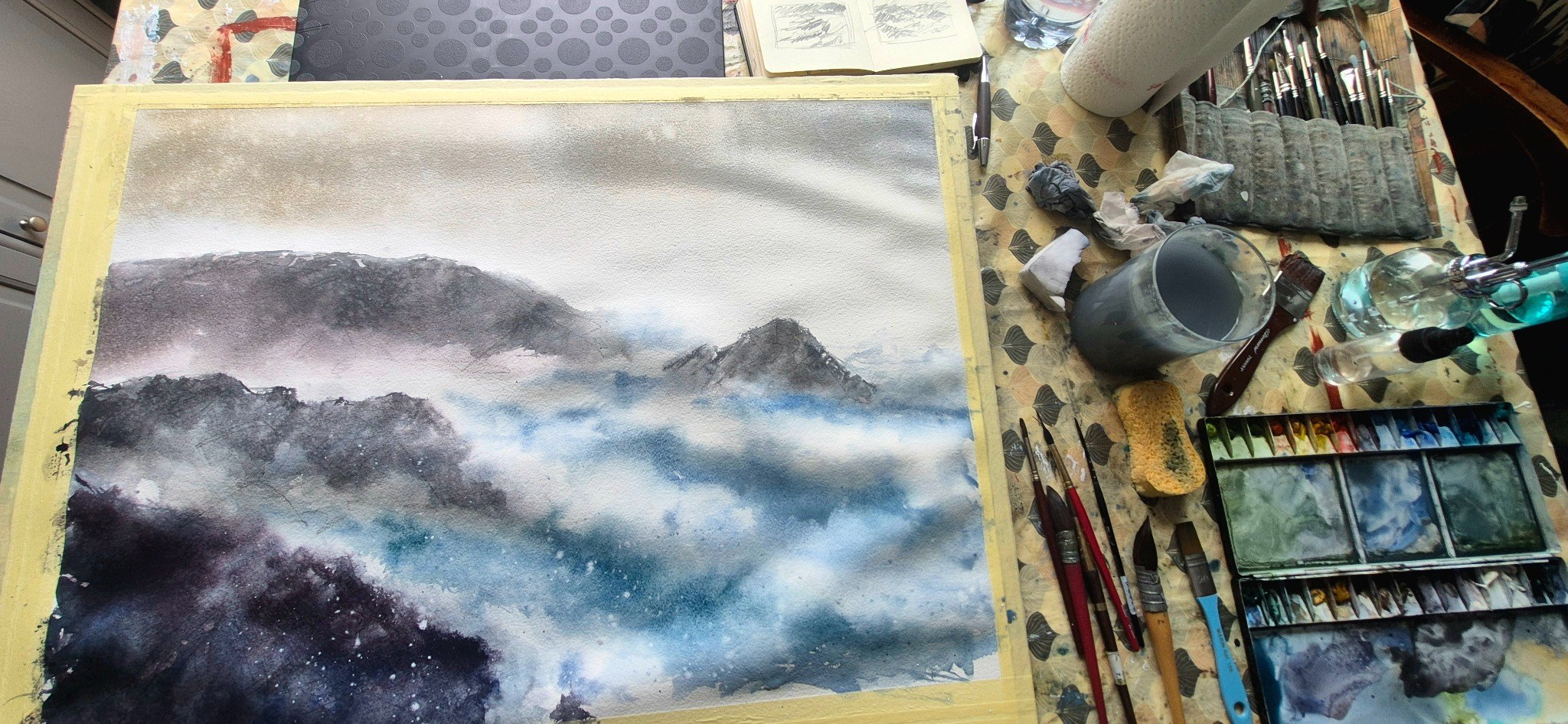
An observation may become a plein-air watercolour, feed a studio continuation, or open the way to a larger work.
Some works find their right form outdoors, in the light and movement of the place.
The notebook keeps lines, masses and tensions. It may prepare a work later expanded in the studio.
The studio gives duration, depth and breadth to what was gathered outside.
Notebooks, studies and plein-air watercolours may feed a more monumental work built on paper.